Getting an inherited home ready to sell is rarely as simple as calling a photographer and putting the property on the market.
By October or November, New Jersey Realtors may already be coordinating cleaners, contractors, photographers, executors, and family members, all while trying to get the home ready before the holidays and winter schedules begin to complicate things. And often, the biggest obstacle is not the house itself. It is everything still inside it. There may be furniture in every room, closets packed with decades of belongings, a basement nobody has touched in years, and family members still trying to decide what they want to keep. For everyone involved, that can quickly become overwhelming. This is where Real Estate pre-listing liquidation & downsizing services can make the process much more manageable.
By helping families organize, price, stage, and sell household belongings before the property is marketed, estate liquidation can clear one of the biggest hurdles between an inherited home and a listing-ready property. For Realtors, it means less time waiting for the home to be ready. For families, it means they do not have to figure everything out on their own.
Why Late-Fall Listings Can Get Stuck Before They Even Begin
A Realtor can have a great pricing strategy, a photographer ready to go, and a clear marketing plan. But if the home still feels more like a storage space than a property ready for buyers, everything slows down. Late fall makes that timing even more noticeable.
October turns into Thanksgiving quickly. Contractor schedules fill up. Daylight gets shorter. Family members become busy with holiday plans. Out-of-state heirs may only have a few days available to come to New Jersey and sort through the property.
Meanwhile, the Realtor is waiting to answer one very simple question:
When can we take the photos?
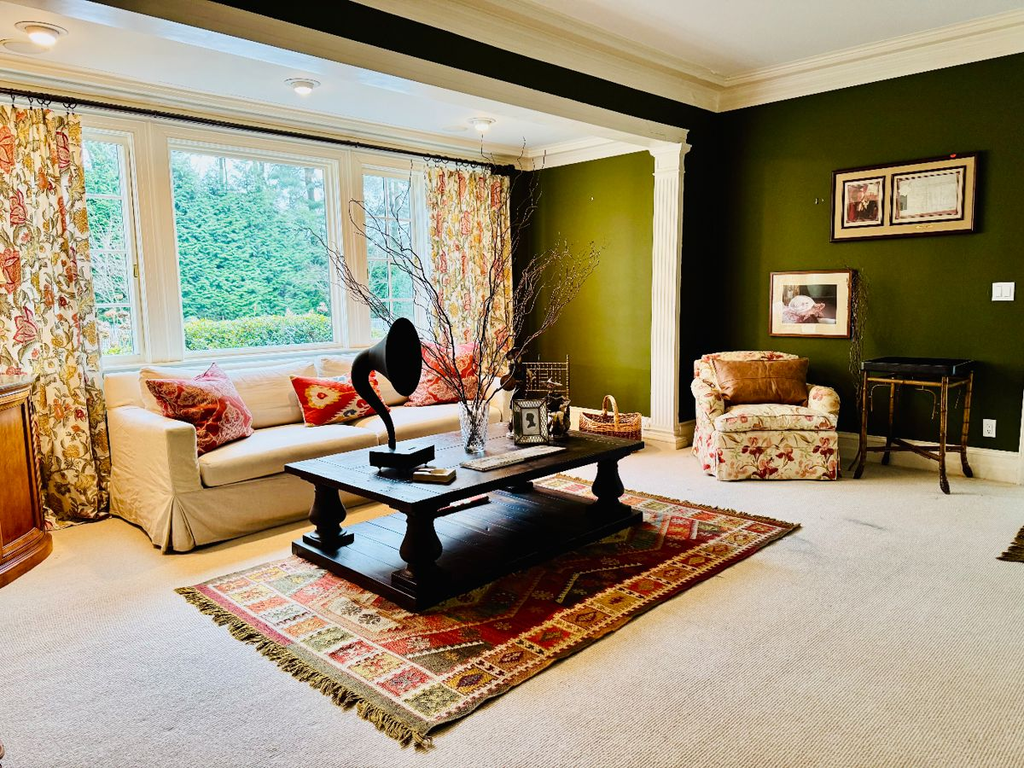
A house does not necessarily need to be completely empty before it is listed. It does, however, need enough breathing room for buyers to see the home itself. If rooms are filled with too much furniture, they can feel smaller than they really are. Packed closets make it difficult to see available storage. Large pieces of furniture can block windows, fireplaces, flooring, or other features buyers may want to see. Garages and basements can be even harder. When every inch is occupied, it becomes difficult for a buyer to picture how they would use the space. That is why dealing with the contents early can be just as important as scheduling repairs, painting, cleaning, or staging.
Getting From a “Full House” to a Home That Is Ready to List
Estate liquidation is not simply about getting rid of things. It is about creating a plan for the belongings the family has decided not to keep. Attic to the Basement’s estate liquidation services can include reviewing the contents of the home, organizing items, staging them for sale, and pricing them appropriately.For Realtors, this helps separate two very different jobs.
The family can focus on deciding what matters to them. The liquidation team can focus on what needs to be sold. And the Realtor can focus on getting the property ready for the market. That division can make a huge difference when everyone is working toward a late-fall listing date. Instead of every person trying to manage everything at once, each part of the process has a clearer path forward.
Start With What the Family Wants to Keep
Before anything is sold, donated, or removed, the family should have time to decide what they want to keep. This is especially important when the home belonged to a parent, grandparent, or another loved one. Sorting through a house like this is not the same as cleaning out a spare room. Every drawer, closet, and box can hold something personal. There may be photographs nobody has seen in years, paperwork that needs to be saved, jewelry someone remembers from childhood, or a piece of furniture that carries more sentimental value than financial value. It is completely reasonable for this part of the process to take some time.
A simple way to make it feel less overwhelming is to divide things into three groups:
Keep. Sell. Review.
“Keep” includes the belongings the family already knows they want.
“Sell” includes items everyone has agreed can be included in the liquidation.
“Review” is for anything unfamiliar, potentially valuable, or simply difficult to make a decision about right away.
That last category can be especially helpful. It keeps the project moving without forcing families to make an immediate decision about every single item in the home.
Some Belongings Deserve a Closer Look
Inherited properties sometimes contain items that should not immediately be treated like ordinary household goods.
Attic to the Basement’s liquidation services can include higher-value property such as:
- Cars
- Boats
- Estate jewelry
- Vintage items
- Sterling silver flatware
The challenge is that families do not always know what they have. An heir who lives out of state may have very little idea what their parents or grandparents collected over the years. And a Realtor should not be expected to know whether a piece of jewelry, silverware, or an older collectible has meaningful value. If something looks unusual, valuable, or simply unfamiliar, it is worth pausing before putting it into a donation pile. That does not mean every old object is a hidden treasure.
Most are not.
The goal is simply to avoid the awful realization later that something valuable or meaningful disappeared because everyone was trying to clear the house as quickly as possible. Once those items have been reviewed and the family knows what will be kept and what can be sold, the rest of the process usually becomes much easier.
Once the Contents Are Reduced, You Can Finally See the House
This is often the point where Realtors feel the biggest difference.
A home can look completely different once excess furniture, boxes, collections, and household belongings are reduced.
A room that originally felt cramped may suddenly look much larger.
Hardwood floors that were barely visible may become a selling point.
A basement may go from looking like storage overflow to a space buyers can actually imagine using.
Clearing the contents can also reveal things you could not properly see before.
Maybe a wall needs repainting.
Perhaps there is flooring that needs attention.
A repair may be hiding behind a large piece of furniture.
Once the home has been cleared enough to properly assess it, the Realtor can finally start asking the questions that actually move the listing forward:
Does this room need paint?
Would staging help here?
Can we bring the photographer in next week?
Does the property need a deep clean?
Is there anything we should repair before buyers see it?
Those are much more productive conversations than constantly coming back to:
“What are we going to do with all this stuff?”
The National Association of REALTORS® has reported that staging can help buyers visualize a property as their future home.
But before traditional staging can help, buyers need to be able to see the property itself.
Estate liquidation can help create that clean starting point.
Why Timing Matters Even More in Late Fall
Preparing a home in spring can sometimes feel a little more flexible.
Late fall usually does not.
The calendar has a way of adding pressure.
If a property is inherited in September or October and the family would like it listed before winter, every extra week spent sorting through belongings can push photography, staging, and showings further into the holiday season.
That does not mean anyone should rush through the family’s belongings carelessly.
It simply means it helps to handle things in the right order.
For a late-fall listing, a practical sequence may look like this:
First, figure out what the family is keeping
Set aside personal belongings, paperwork, sentimental items, furniture, and anything else the family does not want included in the sale.
Then review anything that may have value
Jewelry, silver, vintage pieces, collectibles, and other unfamiliar items deserve a closer look before the cleanout continues.
Next, move forward with the estate liquidation
Once the family has approved what can be sold, the remaining items can be organized, priced, staged, promoted, and sold.
Look at the property again afterward
Once the home is less crowded, the Realtor can give much clearer recommendations about repairs, cleaning, staging, and photography.
Then move toward listing
At this stage, the property is easier to photograph, easier to show, and easier for buyers to understand.
Trying to handle all of these steps at the same time can create unnecessary stress.
Giving the contents their own process often makes the whole project feel much more manageable.
Common Questions About Pre-Listing Estate Liquidation
How early should we start?
As soon as it becomes clear that the contents of the home may delay photography, repairs, cleaning, staging, or showings.
Some homes may only need a relatively simple process.
Others may contain decades of belongings and require more time.
Starting the conversation early gives everyone more options.
Does everything in the home have to be sold?
No.
The family should first remove or clearly separate everything they want to keep.
The liquidation should only involve belongings that the family or estate has approved for sale.
What if we find something valuable?
Potentially valuable items should be reviewed before the home is cleared.
Attic to the Basement works with categories that can include estate jewelry, vintage pieces, sterling silver flatware, cars, and boats as part of its liquidation services.
If you are unsure about something, it is usually better to ask before letting it go.
Can these services help someone who is downsizing instead of settling an estate?
Yes.
The same general process can be useful when someone is moving into a smaller home and cannot bring decades of furniture, collections, and household belongings with them.
The circumstances may be different, but the challenge is similar: deciding what stays, what goes, and how to handle everything that remains.
Handle the Contents Before They Start Holding Up the Listing
Preparing an inherited home for a late-fall sale can easily feel like two separate projects happening under the same roof.
There is the house that needs to be listed.
Then there is everything inside it.
Trying to make the family or Realtor manage both at once can add unnecessary stress and delay.
Real Estate Pre-Listing Liquidation & Downsizing Services give the household contents their own process so the property can move toward cleaning, repairs, staging, photography, and listing.
Attic to the Basement LLC provides estate liquidation services throughout Middlesex, Monmouth, and Ocean counties in New Jersey, including organizing, pricing, staging, and selling household belongings and selected higher-value property.
If you are preparing an inherited or heavily furnished home for a late-fall listing, contact Attic to the Basement before the contents begin pushing back your timeline.
Call (732) 778-7674 to talk about the property, the belongings inside it, and the best way to move forward.