When you are handling an estate, some of the hardest decisions are not always about the house, the bank accounts, or the paperwork. Sometimes, they are about the things tucked away in a jewelry box, displayed in a cabinet, stored in a closet, or passed down through the family for years. A ring that belonged to a grandmother. A coin collection nobody has looked at in decades. A piece of artwork that has always hung in the same room. Sterling silver that only came out for holidays.
These items may carry sentimental value, financial value, or both. That is why it is worth taking a closer look before anything is distributed, donated, sold, or removed from the home.
For New Jersey estate attorneys, executors, administrators, trustees, and heirs, evaluating potentially valuable heirlooms early can make the settlement process much easier. Once an item has already left the estate, it can be much harder to confirm its value, correct a mistake, or resolve a disagreement about who received what.
Professional Estate Asset Valuation & Appraisal Services can help families and fiduciaries understand what they are dealing with before important decisions are made.
The goal is not to put a price tag on every item in the house. It is simply to make sure the items that may matter financially are not overlooked.
What Should You Have Looked At?
One of the biggest challenges with estate contents is that value is not always obvious.
Some items look expensive but may have limited resale value. Others may look ordinary but turn out to be worth more than anyone expected. That is why it is usually better to ask rather than assume.
Items that may be worth reviewing include:
- Fine and estate jewelry
- Gold and silver pieces
- Sterling silver flatware
- Coin collections
- Watches
- Artwork
- Antiques
- Designer pieces
- Vintage collectibles
- Historically significant items
- Specialized collections
Jewelry is a good example.
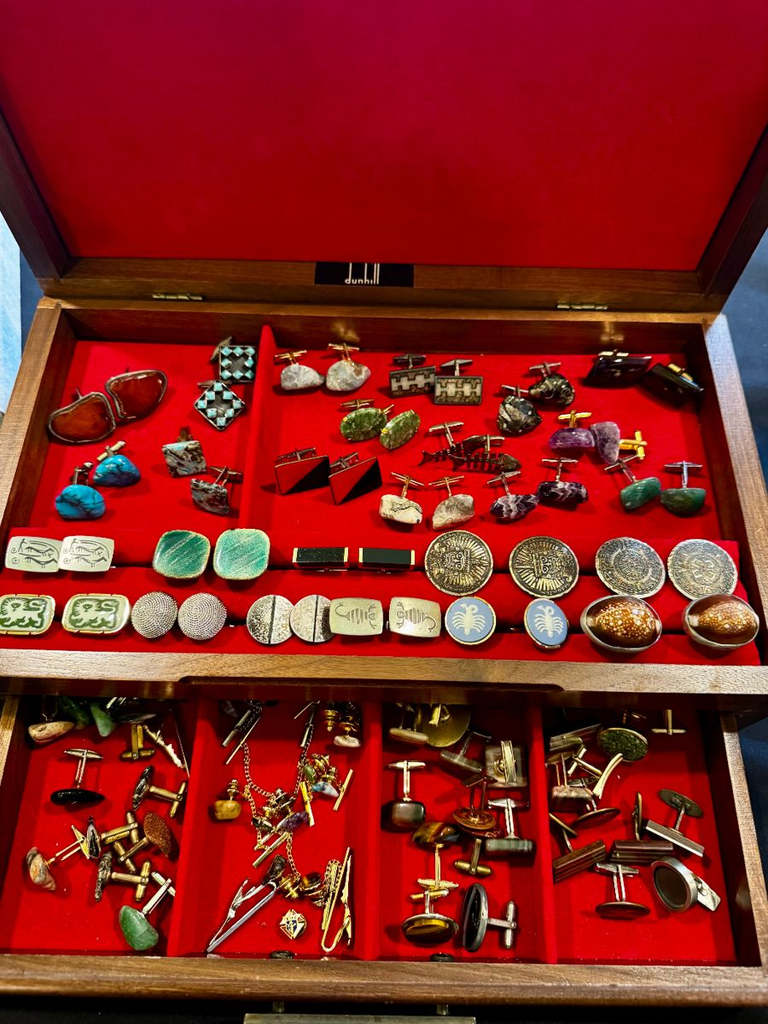
Attic to the Basement’s estate jewelry services include the evaluation of gold necklaces, bracelets, earrings, rings with precious stones, costume jewelry, brooches, Gold Eagle coins, coin collections, and silverware collections. Depending on the item, factors such as metal purity, gemstones, craftsmanship, design, condition, age, historical significance, and collector demand may all play a role in determining value. If you are looking at something and thinking, “I have no idea whether this is valuable,” that is usually a good sign it deserves a second look before it leaves the estate.
Start by Slowing Things Down
Estate cleanouts can move quickly.
Families are often working against deadlines, preparing a property for sale, sorting through decades of belongings, and trying to make dozens of decisions at once. It is very easy for potentially valuable items to get mixed in with things headed for donation, disposal, or casual distribution among family members. Before that happens, take a little time to separate anything that looks unusual, valuable, collectible, or personally significant. Jewelry, coins, watches, artwork, collectibles, silver, and specialty items are good places to start.
If several people have access to the home, it is also a good idea to keep these items somewhere secure until they can be properly reviewed.
Take Photos Before Anything Moves
You do not need a complicated inventory system. A few clear photographs and simple notes can go a long way.
Take pictures of the item itself, along with any:
- Signatures
- Hallmarks
- Labels
- Serial numbers
- Certificates
- Original boxes
- Receipts
- Related paperwork
You may also want to note where the item was found and whether it belongs to a larger set or collection.
This does not replace a professional valuation, but it gives the executor, attorney, and family a record to work from.
That can become especially important later if there are questions about what was in the estate or where a particular item went.
Do Not Throw Away the Paperwork
Old paperwork can look unimportant when you are cleaning out a home, but sometimes it tells the story of an item.
Receipts, certificates, previous appraisals, letters, photographs, original packaging, and other documentation may help establish an item’s history or provide useful context. This is often referred to as provenance. For some antiques, artwork, jewelry, and collectibles, that background can matter. Before tossing old folders, boxes, or envelopes, it is worth checking whether they relate to anything that may be valuable.
Resist the Urge to Clean Everything
This one surprises a lot of people. When families are preparing items for evaluation or sale, the instinct is often to polish, repair, scrub, or restore them first. Sometimes that can do more harm than good. Aggressively polishing silver, cleaning old artwork, refinishing furniture, or altering jewelry may affect condition or remove details that help with identification. If you are unsure what an item is or what it may be worth, leave it as-is until someone knowledgeable has had a chance to look at it.
Estate-Sale Pricing and Formal Appraisals Serve Different Purposes
This is an important distinction, especially for attorneys and fiduciaries.
Attic to the Basement includes pricing and valuation as part of its estate-sale process. That means reviewing property, determining practical sale pricing, staging items, marketing the sale, conducting it, and helping with whatever remains afterward. For an estate preparing to liquidate household contents, that type of valuation may be exactly what is needed. There are situations, though, where a more formal appraisal may be appropriate.
For example:
- Tax reporting
- Litigation
- Insurance
- Beneficiary disputes
- Court proceedings
- Formal estate accounting
In those cases, an attorney may recommend working with an appraiser whose report meets the specific documentation and professional standards required.
That does not mean every piece of jewelry or every antique needs an extensive written appraisal.
It simply means the type of valuation should match the reason you need the number in the first place.
Valuation Can Make Family Distributions Easier
Not every heirloom is going to be sold.
Sometimes someone in the family wants to keep it.
Maybe one sibling wants their mother’s ring. Another wants a painting from the living room. Someone else has always hoped to keep a coin collection or a piece of furniture.
There is nothing wrong with that.
The challenge comes when nobody really knows what the item is worth.
An in-kind distribution simply means that a beneficiary receives property instead of cash as part of their share of the estate.
If that property has significant value, knowing what it is worth gives the executor, attorney, and beneficiaries a much clearer starting point.
For example, if one heir receives a valuable piece of jewelry, the estate may need to take that value into account when dividing cash or other property.
Of course, the will, trust, applicable law, tax considerations, and beneficiary rights still determine how the estate should ultimately be handled.
A valuation does not make that decision.
It just helps everyone make it with better information.
Have Valuable Items Reviewed Before the Cleanout Starts
One of the easiest mistakes to make is waiting until the house is already being cleared.
By that point, everyone is usually focused on getting things done.
Furniture is moving out. Donation piles are growing. Family members are taking keepsakes. Contractors or estate-sale teams may be coming in and out of the property.
That is not the best time to realize nobody checked the jewelry drawer.
Before the larger cleanout begins, try to:
- Keep collections together
- Separate jewelry and precious-metal items
- Save original boxes and paperwork
- Photograph anything that may be significant
- Avoid relying only on online asking prices
- Hold off on donating unfamiliar items until they have been reviewed
Most of the contents of a home will not need a formal appraisal, and that is completely normal.
The point is not to treat everything like a hidden treasure.
It is to avoid accidentally losing the few items that may have real value.
From Valuation to Estate Sale
Once the family knows what is being kept and what is being sold, the rest of the liquidation process tends to become much easier.
Attic to the Basement provides estate-sale and valuation services throughout Middlesex, Monmouth, and Ocean counties in New Jersey.
Its estate-sale services include organizing property, pricing belongings, staging the home, marketing the sale, conducting it, and helping families deal with remaining items afterward.
For estates that include jewelry, coins, sterling silver, vintage pieces, or other belongings that deserve a closer look, having valuation built into the larger process can help families avoid making rushed decisions.
A simple order of operations can make a big difference:
Identify what may be valuable. Document it. Have the right items evaluated. Decide what the family wants to keep. Then move forward with the sale.
Get the Value Clear Before the Estate Is Settled
Heirlooms may only make up a small portion of an estate, but they can become some of the most talked-about items during settlement.
The best time to deal with them is early.
Before anyone takes possession.
Before the property is cleared.
Before valuable items accidentally end up in a donation box.
And before the estate reaches final distribution.
Professional Estate Asset Valuation & Appraisal Services can give attorneys, executors, fiduciaries, and families a clearer understanding of what they have and what should happen next. If you are handling an estate in Middlesex, Monmouth, or Ocean County and need help evaluating estate jewelry, coins, sterling silver, collectibles, or other personal property before an estate sale, contact Attic to the Basement LLC.
Call (732) 778-7674 to discuss the estate and the items that may need a closer look.